Category: Writing Life
Posts on the working life of a writer — drafting, revising, publishing, rejection, the long arc of building a body of work, and the everyday discipline of putting words on the page.
-

Let’s Talk About Writers’ Secrets
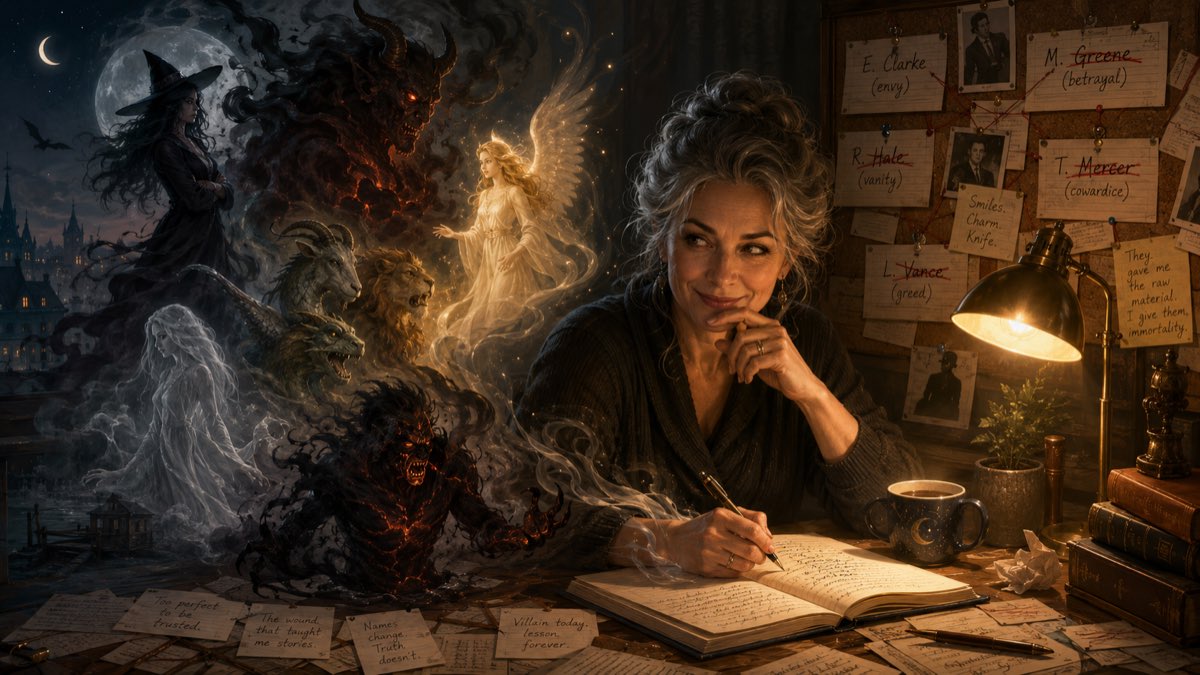
Every writer has secrets. Mine include a private code for supernatural characters — and villains named after people who earned it.
-

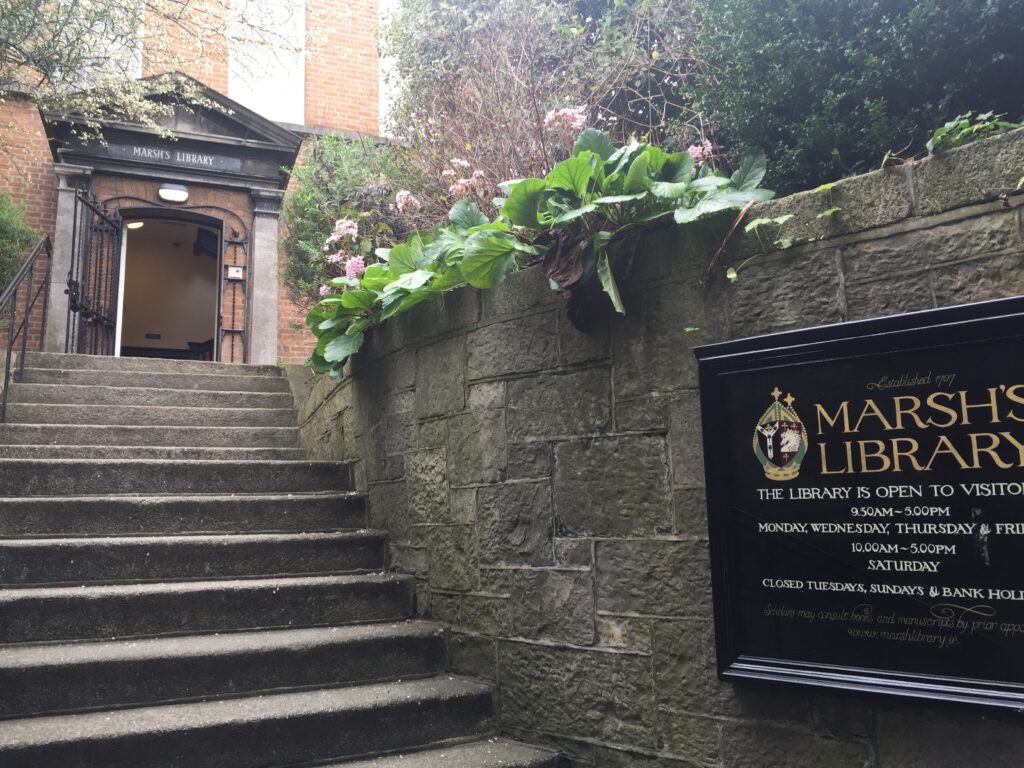
Secret Libraries: Marsh’s Library, Dublin’s Library of Cages, Ghosts and Wounded Books
The Dublin library that locked its readers in cages, and the one that inspired my fictional Darbyshire Memorial Scholars’ Library.
-
Writers and AI Detectors: Cheerleaders and Gatekeepers
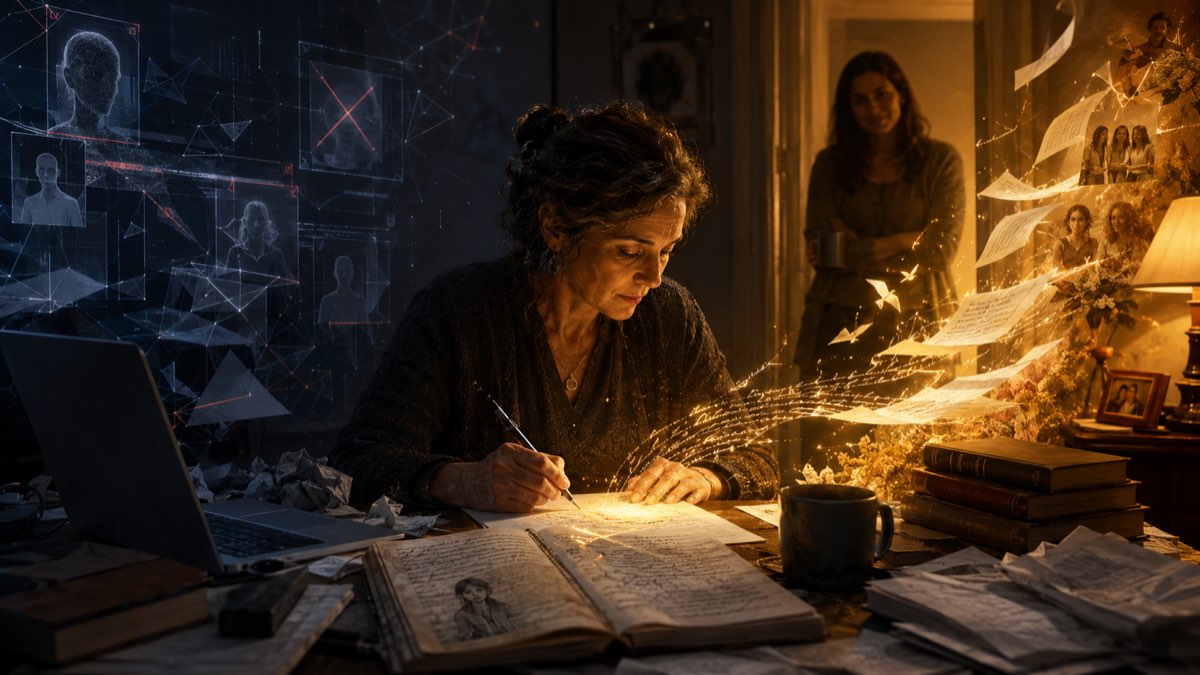
My mother cheered. My exes, my employer, and now AI detectors gatekept. A writing life spent proving my voice is mine — until my daughter said something that undid all of it.
-

Beyond Fixed Fates: What Turn of Earth Taught Me About Choice, Legacy, and Love
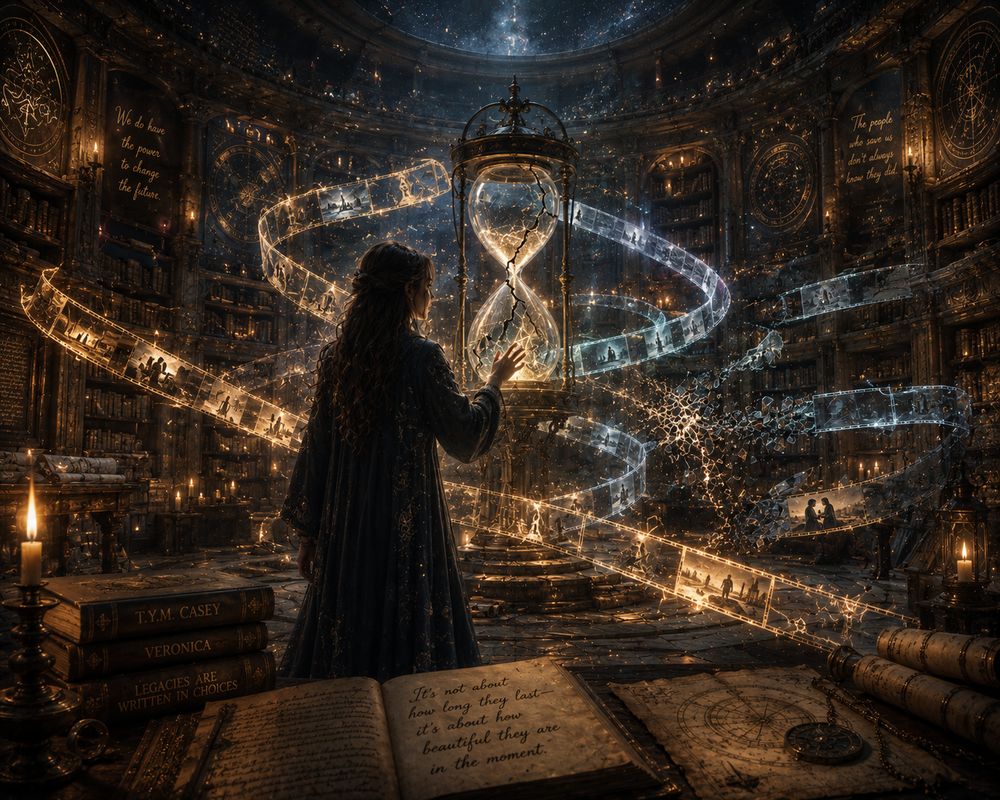
Turn of Earth wrestles with fixed fates, legacy, and love across time. Here’s what writing it taught me about choice, aging, and the stories we leave behind.
-

Fable 5 Saved My Fables
A beta reader stole this novel in the early ’90s, so I shelved it for thirty years. When I finally finished it, something still felt off. Then Claude’s Fable 5 named the problem in seconds.
-

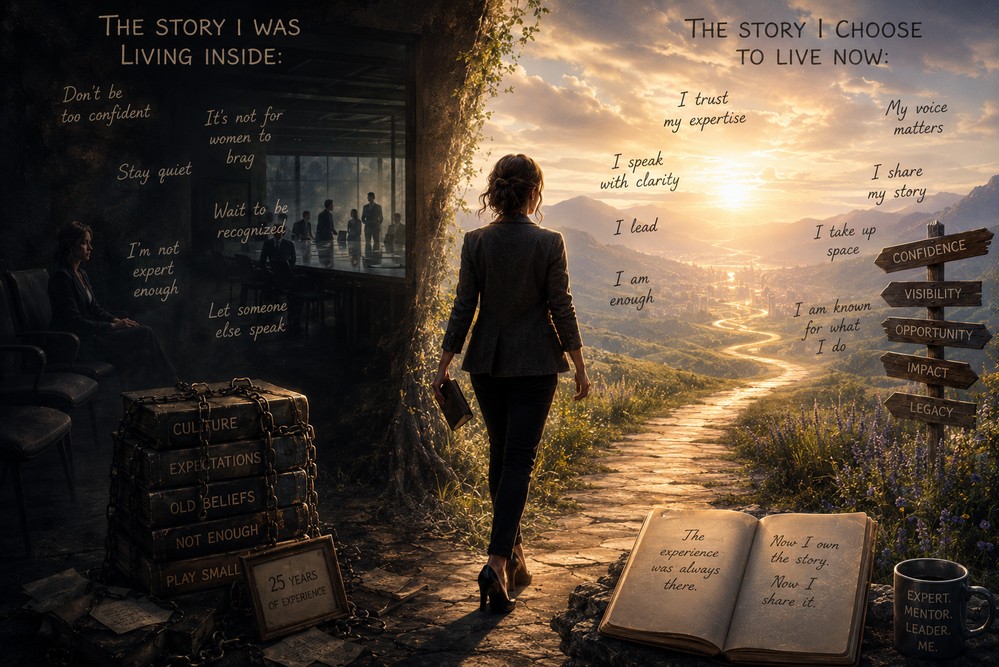
The Story You Didn’t Realize You’ve Been Living Inside
You’ve been living inside a story all along — you just haven’t noticed. Here’s how to read the narrative of your own life.
-

When Did My Books Become “Literary Thrillers”?
A strange thing has been happening lately. I’ve been running my books—new ones and old ones—through various AI assessment tools. Not because I need validation (I’ve been doing this long enough to know what I’m capable of), but because I’m curious how contemporary systems categorize work that was written across different decades. And again and…
-

The Overlap Between FicInt and Dark Academia
In recent years, two terms have found increasing relevance in fiction, fandom, and aesthetic theory: FicInt, short for fictional intelligence, and Dark Academia, the moody, intellectual subgenre where knowledge often comes at a cost. Though they arise from different traditions—one from speculative architecture, the other from cultural and aesthetic movements—they often converge in fascinating, shadowed…
-

Dark Academia and Me: When the Patterns Start Talking Back
There’s a point in a writing life when the work gets large enough to start revealing things you didn’t consciously plan. For a long time, I thought of my books as belonging to different projects, different moods, even different phases of my life. Southern Gothic in one corner. Dark Academia in another. A time-travel story…
-
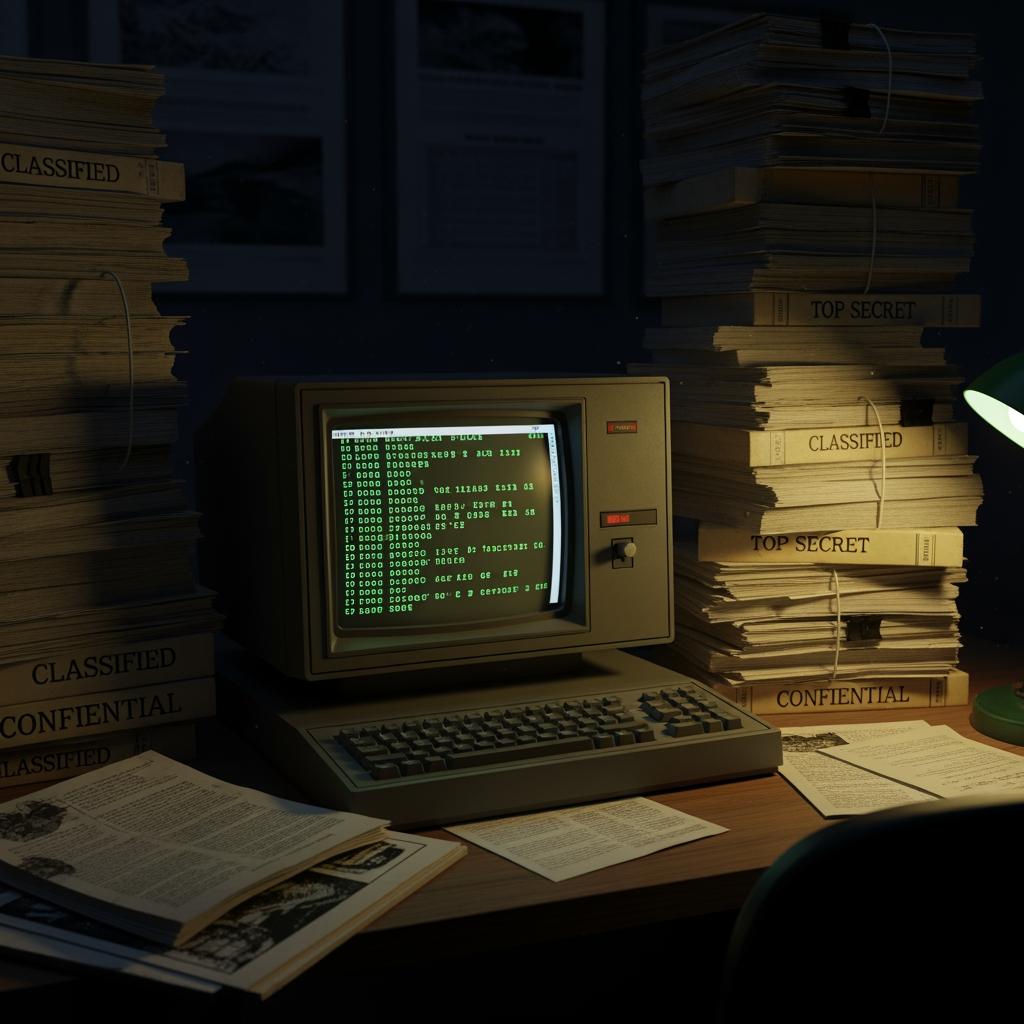
Fiction, Fact, and Fallout: The Story Behind a Biological Weapons Plot Point
Back in the mid-90s, when I was first writing Access, my “research process” didn’t look anything like it does today. The World Wide Web was barely more than a curiosity—maybe 500 pages total if you believed the jokes at the time—and I was still prowling electronic bulletin boards in the middle of the night, looking…
-
When Government Conspiracy Research Walks the Line Between Fiction and Fear
In the earliest drafts of Access, I filled the pages with scraps of research scavenged from late-night dives into electronic bulletin boards and obscure government documents. This was the mid-90s, when the “information superhighway” was more like a gravel road, and part of the fun was seeing what strange, unsettling things you could turn up…
-
Ideation CliftonStrength: The Constant Spark of New Stories
There’s something almost electric about the moment a story arrives uninvited, demanding to be noticed. Ideas never stop showing up at my door. They come while I’m making dinner on a Tuesday evening, leisurely walking through neighborhoods that suddenly make me wonder about the people who lived here a century ago, or watching rain trace…