

There’s a point in a writing life when the work gets large enough to start revealing things you didn’t consciously plan.
For a long time, I thought of my books as belonging to different projects, different moods, even different phases of my life. Southern Gothic in one corner. Dark Academia in another. A time-travel story over here, an occult thriller over there. They felt connected, but loosely—more like cousins than siblings.
Lately, though—especially as I’ve been adapting more of my catalog for audio—I’ve started to see how certain patterns keep showing up. Not just in plot or genre, but in what I keep circling back to, no matter the setting.
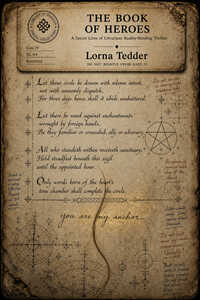
The Book of Heroes — a paranormal thriller where books are alive and the librarian is not what she seems. Available direct from the author → Or read it free in my online Library.
My pull toward Southern Gothic and Dark Academia isn’t just aesthetic. It’s foundational. It’s where the questions live.
Southern Gothic and Dark Academia as Worldviews
Southern Gothic has always appealed to me because it understands that history doesn’t stay buried just because no one talks about it. It seeps into everything. It twists relationships, reshapes identities, and lingers in silences. In these stories, the past is never really past—and pretending otherwise is often the original sin.
Dark Academia, as I write it, goes beyond candlelit libraries and secret passageways. It’s about power and knowledge. Who controls the narrative? Who gets preserved, and who gets erased? Institutions in my work aren’t just settings—they’re characters, often as dangerous as any villain.
Across Rites of Passage and The Secret Lives of Librarians, these two sensibilities blend seamlessly. Both are skeptical of authority. Both understand that systems leave marks, even on those who survive them. Both recognize that silence can be a weapon.
What Keeps Reappearing
Once you’ve written enough, patterns stop being theoretical. They show up whether you invite them or not.
One throughline I can’t ignore: knowledge is never neutral. In my stories, books don’t simply inform. They demand. Grimoires, ledgers, prophetic artifacts—they test the people who hold them. The danger isn’t just in what they contain, but in how they’re used and by whom.
Another theme: trauma isn’t a chapter break. It’s part of the foundation. My characters don’t have neatly resolved wounds before the story begins. They carry history in their bodies, and their perception of magic, time, and trust is shaped by what they’ve lived through. Empathy, prophecy, fractured timelines—these aren’t just plot devices. They reflect the emotional truth of navigating unresolved harm.
Institutions also loom large, and not often as saviors. Covens, priesthoods, libraries, families—they’re places of power that can comfort or crush. What interests me most isn’t rebellion for its own sake, but the quieter, harder act of discernment: deciding what to keep, what to walk away from, and what to unlearn.
Prophecy shows up in nearly every book, but it’s rarely treated as gospel. I’m more interested in the fight to choose rather than obey. The most pivotal moments aren’t always magical. They’re internal shifts—small, quiet decisions to stop living someone else’s version of the truth.
Guardians, Not Conquerors
My protagonists aren’t conquerors. They don’t want to rule the world: they want to protect what matters.
They retrieve, safeguard, authenticate, and bear witness. Even when they fight, it’s often in service of something sacred, not for personal gain. Power in these stories looks like endurance, clarity, and the courage to speak hard truths. Empathy can be dangerous, but it’s rarely optional.
Romance reflects that too. It’s less about rescue, more about refuge. These are stories of emotional safety, mutual respect, and choosing a connection that doesn’t require self-erasure.
Pressure Over Spectacle
I gravitate toward compression—locked rooms, countdowns, sacred archives that can’t be unsealed, a single book that changes everything. Tension builds not from chaos but from containment. When there’s nowhere left to run, you have to choose.
Often, the biggest turning points happen inside a character’s head or heart. That’s one reason audio has become such a natural format for these stories. The listener is pulled into the moment of decision—not watching from afar, but feeling it unfold from within.
Taking Stock
Seeing these patterns isn’t limiting but clarifying.
My work has become a conversation with itself, one that keeps returning to the same core questions through different lenses.
- What do you do when the system that shaped you becomes unsafe?
- Who are you when you stop lying to yourself?
- And how do you protect the future without repeating the past?
Apparently, those are the questions I’ll keep writing toward.
And maybe, they’re the ones writing their way through me.
When reality-shifting pages erase people from existence, empathic librarian Lilah and the last priest must save a cursed grimoire—and themselves.
Visit the Book Page →
For more on the stories behind my books, visit the Book Talk page.
A paranormal thriller where books are alive, knowledge is dangerous, and the librarian is not what she seems.
Visit the Book Page →
Read it free in my online Library →