Category: Books
Posts about books — mine and others’. Behind-the-scenes notes on writing them, reviews of the ones that shape my thinking, and reflections on what gets put into print and what doesn’t. Browse the full catalog on the Books page, or read select titles free on-site in the Library.
-

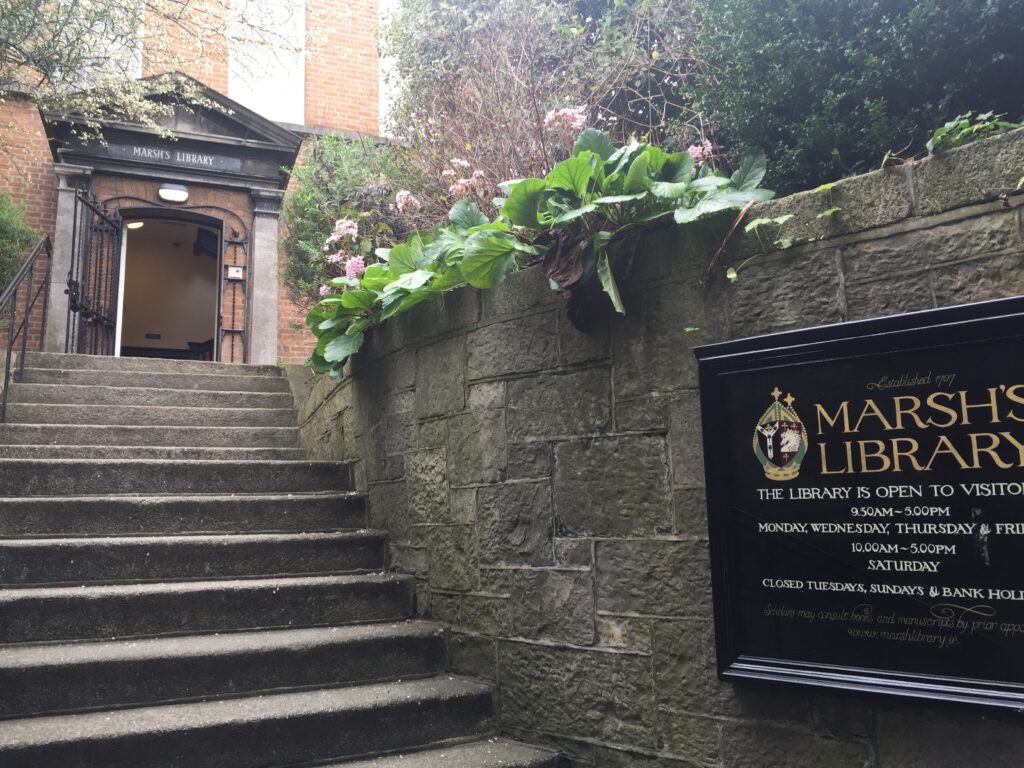
Secret Libraries: Marsh’s Library, Dublin’s Library of Cages, Ghosts and Wounded Books
The Dublin library that locked its readers in cages, and the one that inspired my fictional Darbyshire Memorial Scholars’ Library.
-

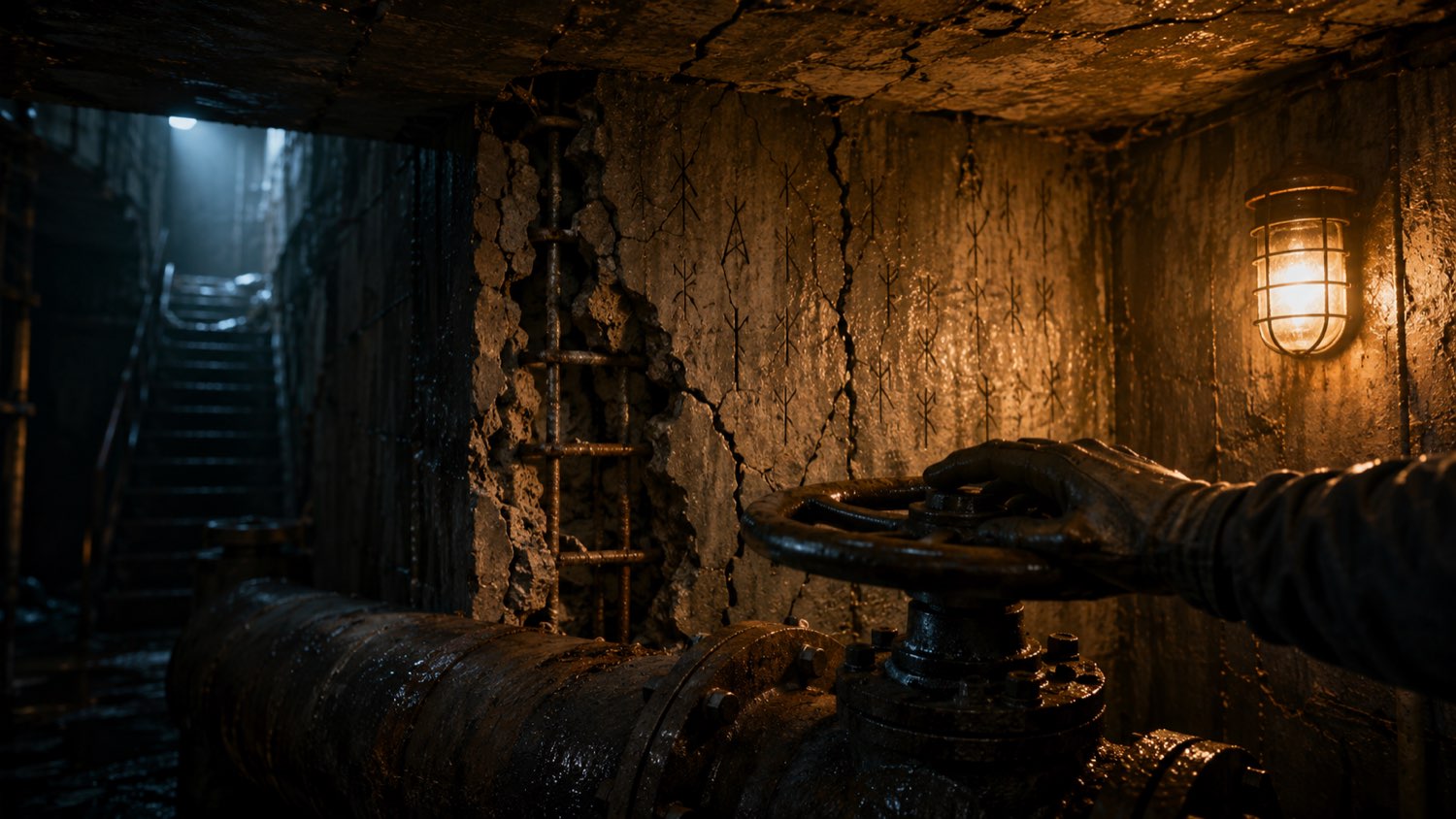
Silo Season 3 and the Cost of Erasing a Memory
Silo season 3 asks whether erasing 10,000 memories counts as mercy. I spent a whole novel on that same question, and I’m still not done with it.
-

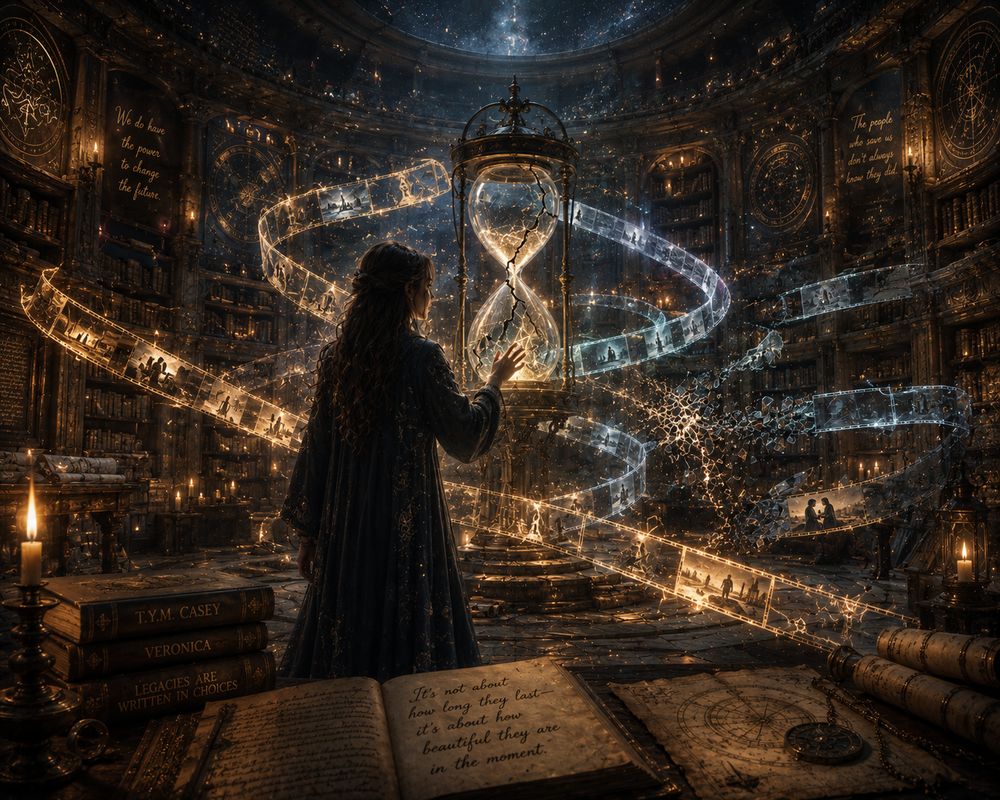
Beyond Fixed Fates: What Turn of Earth Taught Me About Choice, Legacy, and Love
Turn of Earth wrestles with fixed fates, legacy, and love across time. Here’s what writing it taught me about choice, aging, and the stories we leave behind.
-

Social Media Mosquitoes
Not all social media engagement is worth having. When someone follows your every post but only ever shows up to push their own agenda—especially during the hardest moments of your life—that’s not a follower. That’s a mosquito.
-

Why AI Couldn’t Write This Astrology Book
I’ve always tried to write books only I could write. Here’s why the Vertex — and fifteen years of lived experience with it — made this one undeniably mine.
-

Input CliftonStrength: The Joy of Collecting Pieces That Matter
The Input CliftonStrength isn’t hoarding—it’s building a reservoir. As a writer who collects books, ideas, and half-formed concepts, I’ve learned to treat gathering as fuel, not clutter. Here’s how honoring that instinct changed everything.
-

Why I Wrote a Book about the Vertex
The Vertex wasn’t about fate as inevitability—it was about recognition. Why certain encounters change you permanently, and why that mattered enough to write a book.
-
The Vertex: How Fate Reveals Itself Over Time in Astrology
The Vertex isn’t about who you are—it’s about when you’re met. How fate reveals itself in the natal chart, and why its meaning only accumulates over time.
-

The Overlap Between FicInt and Dark Academia
In recent years, two terms have found increasing relevance in fiction, fandom, and aesthetic theory: FicInt, short for fictional intelligence, and Dark Academia, the moody, intellectual subgenre where knowledge often comes at a cost. Though they arise from different traditions—one from speculative architecture, the other from cultural and aesthetic movements—they often converge in fascinating, shadowed…
-

Dark Academia and Me: When the Patterns Start Talking Back
There’s a point in a writing life when the work gets large enough to start revealing things you didn’t consciously plan. For a long time, I thought of my books as belonging to different projects, different moods, even different phases of my life. Southern Gothic in one corner. Dark Academia in another. A time-travel story…
-

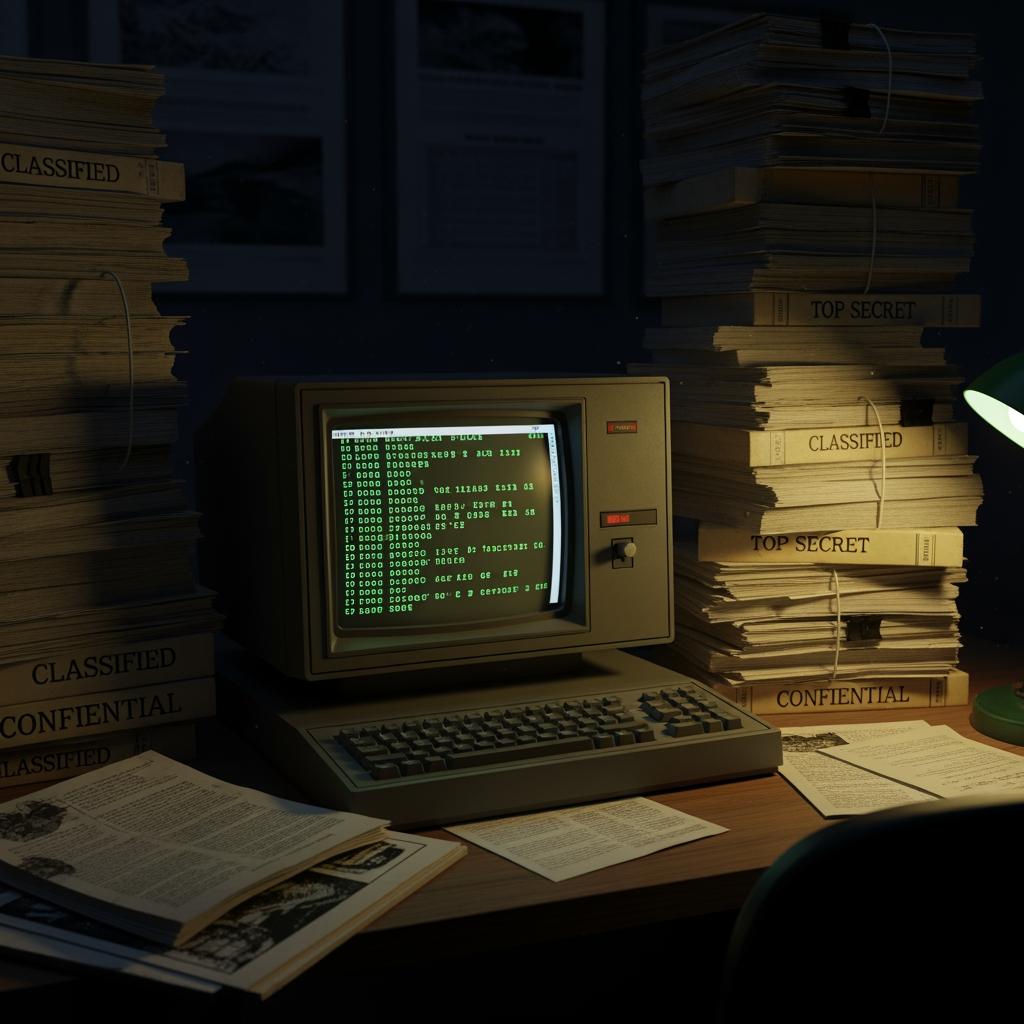
Fiction, Fact, and Fallout: The Story Behind a Biological Weapons Plot Point
Back in the mid-90s, when I was first writing Access, my “research process” didn’t look anything like it does today. The World Wide Web was barely more than a curiosity—maybe 500 pages total if you believed the jokes at the time—and I was still prowling electronic bulletin boards in the middle of the night, looking…
-
When Government Conspiracy Research Walks the Line Between Fiction and Fear
In the earliest drafts of Access, I filled the pages with scraps of research scavenged from late-night dives into electronic bulletin boards and obscure government documents. This was the mid-90s, when the “information superhighway” was more like a gravel road, and part of the fun was seeing what strange, unsettling things you could turn up…