

I’m going back through my older non-fiction (and fiction) books that have been off the market for eons, making some minor updates and expansions, including cover changes and reformatting, and getting them back out there. This one was written for writers and creatives trying to work while grieving, but is useful to anyone carrying loss.
I was talking to quite a few upset former colleagues this week who are superstressed with fiscal year end and how Federal employment is going for those who still have a job, most of whom are on increased dosages to keep working for the Gov’t. I used to do a lot of grief counseling, and it didn’t slow down until I retired. I just realized that tonight, and it’s kinda a relief to NOT be the go-to person anymore. I was often the one who people in grief or in deep trouble called after work hours when no one would see or hear, and I talked to them until I could hand them off (per what we were taught in “resilience” training) to someone else and make sure they would be able to talk to me the next day, if you know what I mean (trying not to get suppressed here). I
t was always emotionally heavy, and the most trouble I ever got into at work was coming in late (even though I took leave) after being up most of the night until I could hand off a coworker to someone else who could be their wingman. Sometimes I worked closely with them, and sometimes, they were people I barely knew but someone gave them my number, and in almost every case, they kept their distance later because they were embarrassed to be seen at their lowest and most vulnerable, but I never said a word to anyone and kept their secrets. Not divulging to my supervisor which co-worker was in pain got me in more trouble than being late that day. I’d felt I needed to explain my tardiness that day because of a missed meeting and thought it would be enough without giving details.
But all this had me thinking about this book, Working Through Grief, because there were times I handed a copy to people when I didn’t have time to talk to them right then. It ended up being used by grief counselors and in bereavement groups over the years. It was originally written in 1998, and it still holds up.

A compassionate guide through the darkest seasons of loss.
Visit the Book Page →
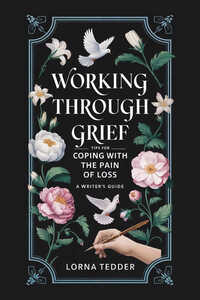
Tips for working through grief and coping with the pain of loss, one day at a time.
Visit the Book Page →